Current Projects
-
![]()
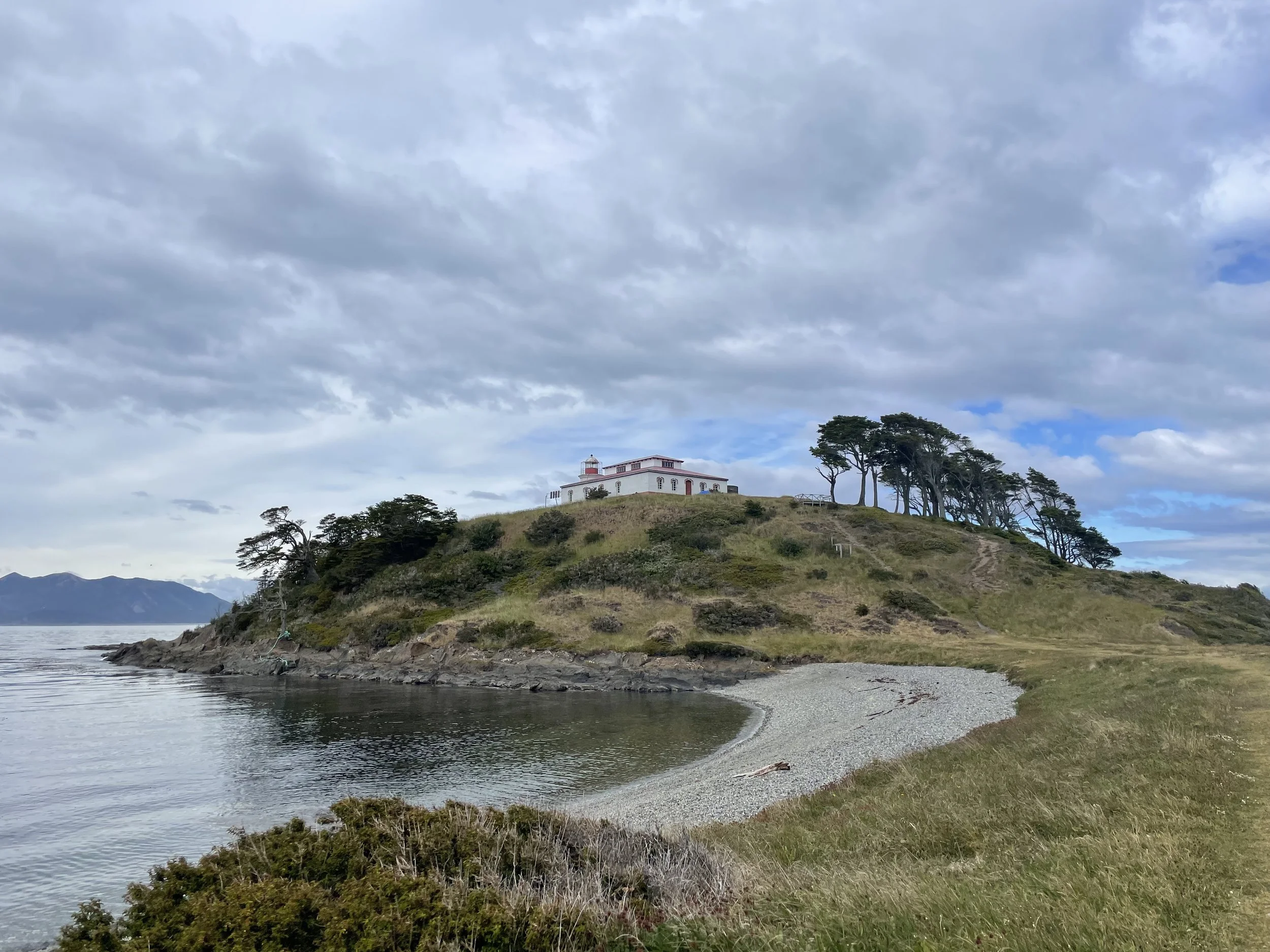
"Entre hielo y coirón": Sound, Climate, and Territory in Chilean Patagonia
Supported by the U.S. Fulbright Student Program, Fulbright-Hays Doctoral Dissertation Research Abroad, and the Beverly Sears Grant (CU Boulder)
My dissertation research explores how climate and climate change shape sonic cultures in Punta Arenas, a city in southern Chilean Patagonia. Through interviews, fieldwork, and archival research, I work with local musicians across diverse genres to understand how they use sound and music to express regional identity and respond to environmental change. This interdisciplinary project sits at the intersection of sound studies, cultural geography, climate research, and gender studies. I examine how both human and more-than-human sounds negotiate climate change, how sonic practices help create a sense of place and belonging, and what musical qualities resonate with climate-focused artists. By mapping this network of creative responses, my work reveals how people develop locally-rooted strategies for making sense of global crisis, offering insights into the cultural dimensions of environmental change that are often overlooked in climate conversations.
Estoy en el proceso de traducir la tesis al español!
-
![]()
Soundscapes of the People: A Musical Ethnography of Pueblo, Colorado
Supported by the National Endowment for the Humanities and the CU Boulder Office for Public and Community-Engaged Scholarship
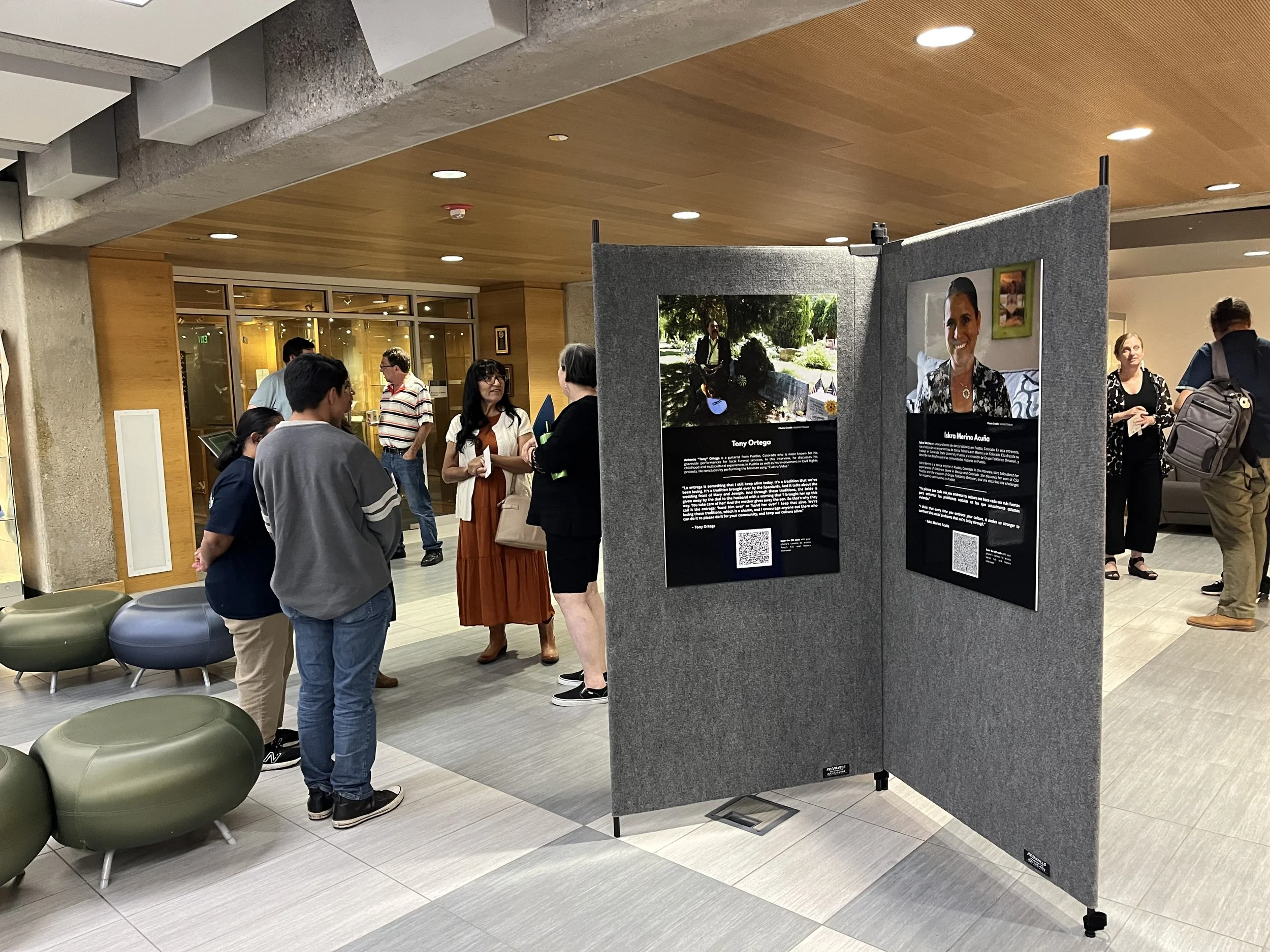
The CU Boulder American Music Research Center (AMRC) is conducting a comprehensive study of the music and music making of Pueblo, Colorado, and the surrounding county. Led by former AMRC Director Susan Thomas—along with Austin Okigbo and Xóchitl Chávez—the project documents the music and culture of the city of Pueblo, Colorado, and its immediate vicinity. Researchers interviewed community members who are current and past participants in musical activities and have created a digital archive of interviews and performances that are accessible to the general public through the University of Colorado Libraries and CSU-Pueblo Library. The project also partners with K-12 educators to create educational and curricular materials.
-
![]()
Indigenous Documentaries and Land Struggle
Supported by the CU Boulder Research and Innovation Office
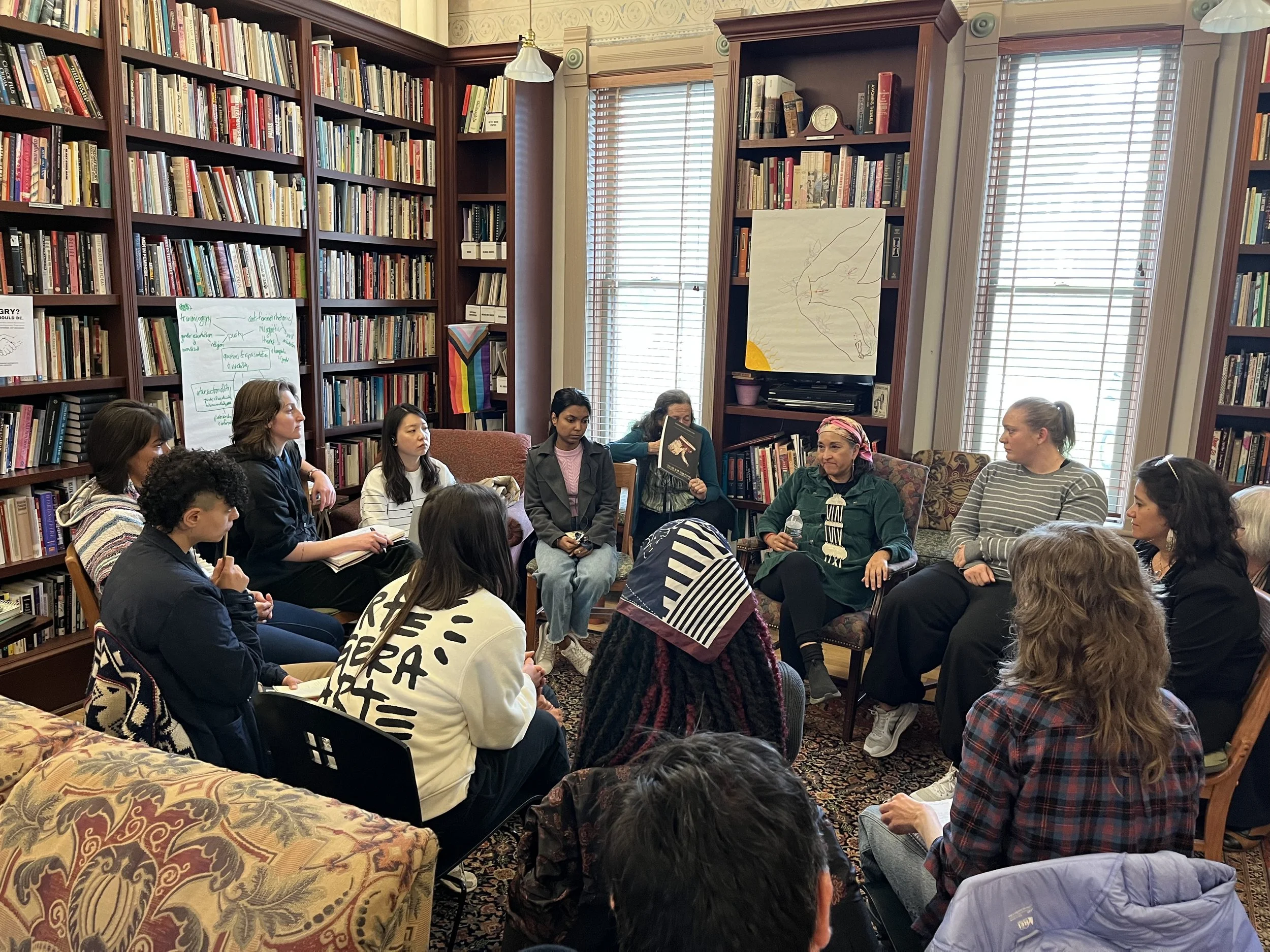
The Indigenous Documentaries and Land Struggle project seeks to explore the land struggles of Indigenous groups around the world on a large and comparative scale. Between 2023-2025, the project is bringing together interdisciplinary researchers, educators, and film artists from around the world for events that include film screenings, roundtables, and reading group discussions. The project's network is expansive and includes individuals and institutions in the United States (CU Boulder, Marquette University, Colby College) and Europe (University of Konstanz, Germany).
-
![]()
Collaboration with Asociación Cultural Nuestra Madre Grande
Supported by the Society for American Music Digital Lectures Program
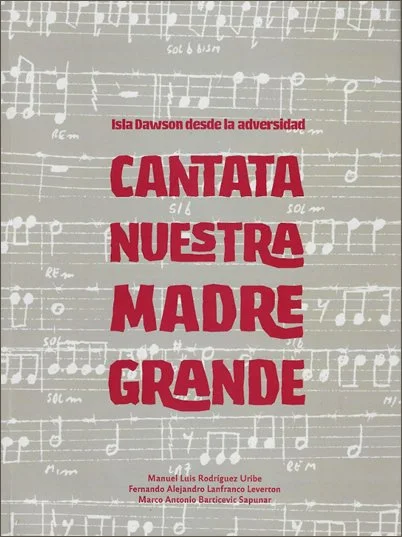
On September 3, 2023, Cantata Nuestra Madre Grande premiered to a standing ovation at the Jose Bohr Municipal Theater in Punta Arenas, Chile. The concert was just one in a string of events throughout the country commemorating the 50th anniversary of the September 11th coup d’etat birthing the dictatorial regime of Augusto Pinochet. Written by three ex-political prisoners, the neofolkloric cantata popular was locally acclaimed for exposing the horrors of the Río Chico concentration camp on Dawson Island in the far south of the country. “It was important for us to send a message to our jailers: that art and culture belong to us as a people, that they arise out of reason and not brutality,” write Manuel Luis Rodríguez Uribe, Fernando Alejandro Lanfranco Leverton, and Marco Antonio Barticevic Sapunar, who composed the work while incarcerated.
In my SAM Digital Lecture (published summer 2026), I’ll demonstrate how Cantata Nuestra Madre Grande and the rhetoric surrounding it serve as key sites of remembrance of the Pinochet dictatorship in the far south of Chile—a region often forgotten in Chilean and international historical narratives due to its geographic isolation. I draw on 2 years of ethnographic fieldwork in Punta Arenas, Chile, during which I was able to witness the development of the stage premiere 50 years after its original composition.